Engineering, the parts
The parts list, one line each.
Every module the build orders, with its part number and why it earned its place. Chosen parts are on the order list; entries marked option, roadmap, or demo say so on their card. Prices are indicative and get re-checked at order. The pictures are illustrations drawn for this site, not product photos.
Modules
Actuation
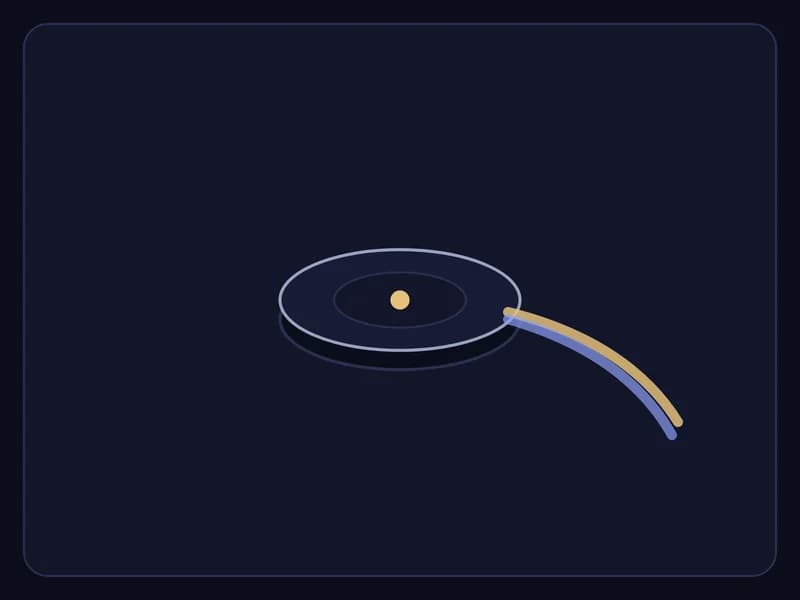
Vybronics coin LRA, 8 mm
VG0832022D
The default motor. A linear resonant actuator parks its energy in the band the skin feels best, and the 8 mm size fits every pod.

Vybronics coin LRA, 10 mm
VG1040003D
The stronger motor for the waist and back, where clothing and deeper tissue call for more delivered acceleration.
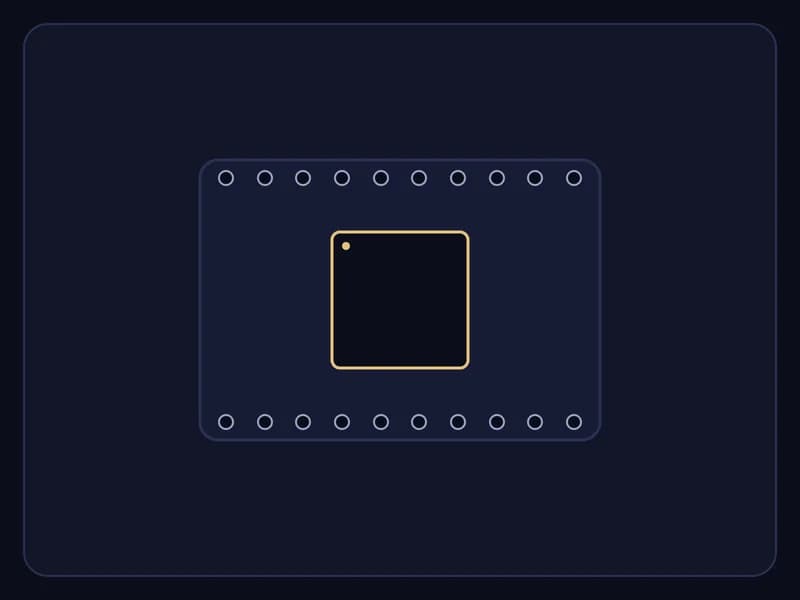
TI haptic driver
DRV2605L
One per motor. Closed loop LRA drive with auto resonance tracking and braking, so a buzz starts and stops when told.
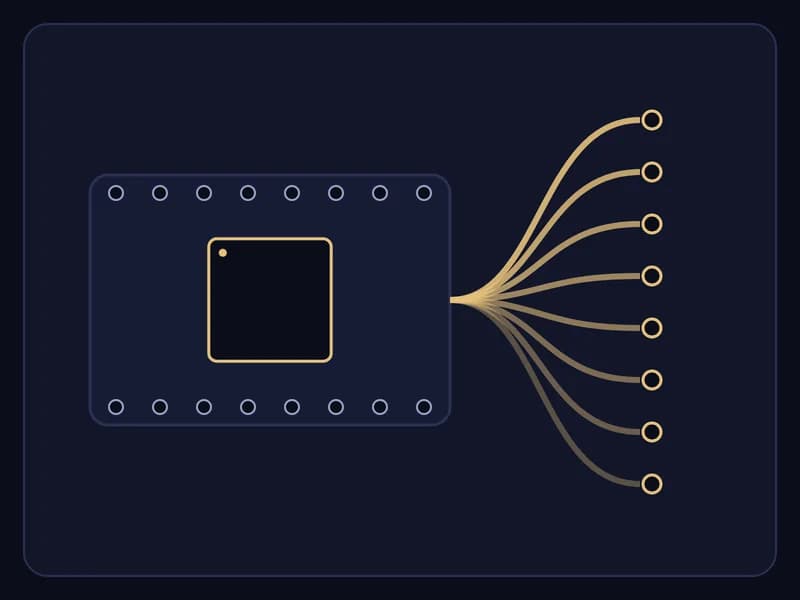
TI I2C multiplexer
TCA9548A
The DRV2605L address is fixed, so identical drivers cannot share a bus. The mux gives each one its own lane.
Modules
Sensing
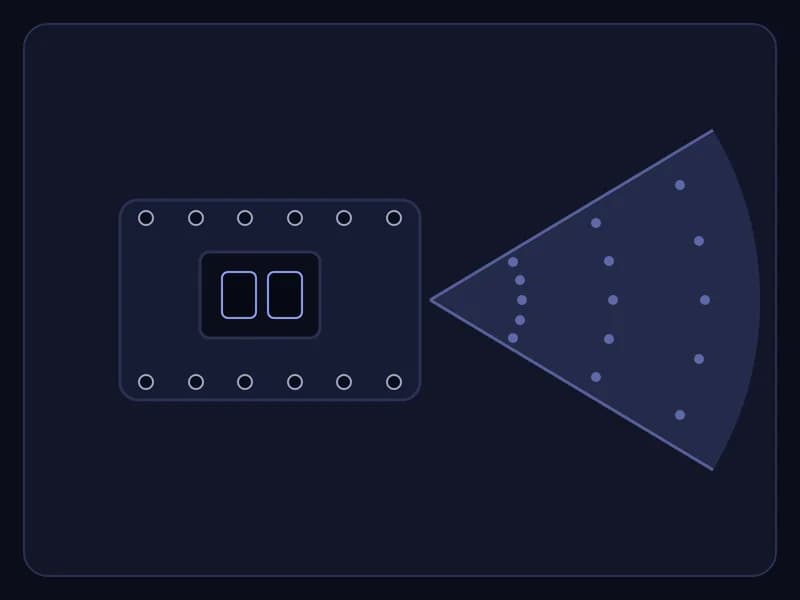
STMicro multizone laser grid
VL53L8CX
Owns shape, close range, and the ground. An 8 by 8 time of flight grid that sees a curb, a doorframe, and a drop off.
Ai-Thinker radar
RD-03D
Owns movers only, by design. 24 GHz FMCW that depends on Doppler: it tracks people, bikes, and carts to 8 m and cannot range what stands still, so the IMU tells the firmware when to trust it less.
Waterproof sonar
JSN-SR04T
Owns glass, large surfaces, and sunlight. Sound does not care that a door is transparent or that the sun is out.
CEVA IMU
BNO085
Owns orientation, stairs, slope. On chip fusion gives a clean rotation vector that milestones the radar and reads gait.
Modules
Compute
Raspberry Pi reflex controller
RP2350 (Pico 2)
The reflex. Dual Cortex-M33 with hardware float, no operating system, a watchdog, and enough RAM for the laser grids.
Espressif spine
ESP32-S3
The spine. Logging and Bluetooth to the phone, fed one way by the reflex, never able to write into the warning path.
Seeed wireless station
XIAO ESP32-C6
Option
The option for wireless stations, where a band cannot be wired to the trunk.
Modules
Vision and glasses
Brilliant Labs smart glasses
Frame, Halo
Roadmap, on the roadmap
The scene layer: Frame to demo now, Halo when it ships. The glasses describe on request; they never warn.
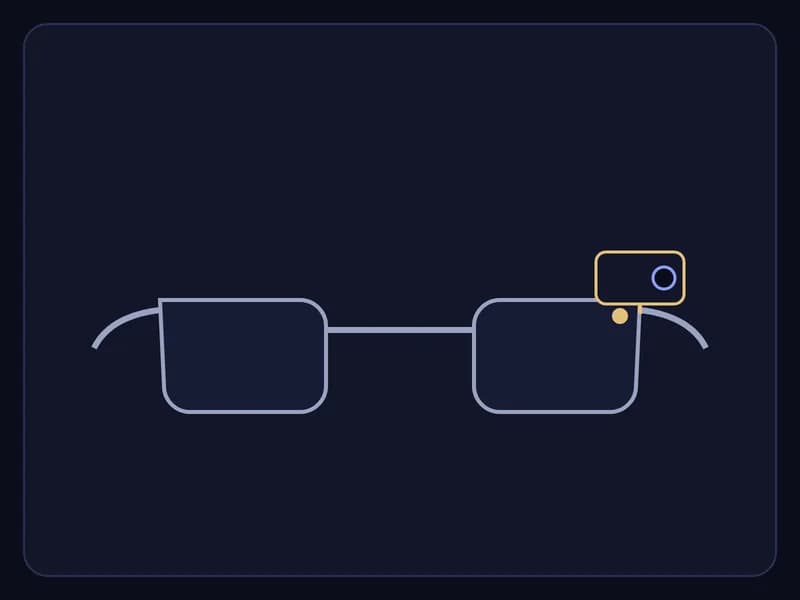
OpenGlass DIY build
on XIAO ESP32-S3 Sense
Roadmap, on the roadmap
The open glasses build, first. A camera on a glasses arm that any builder can make from the published design.
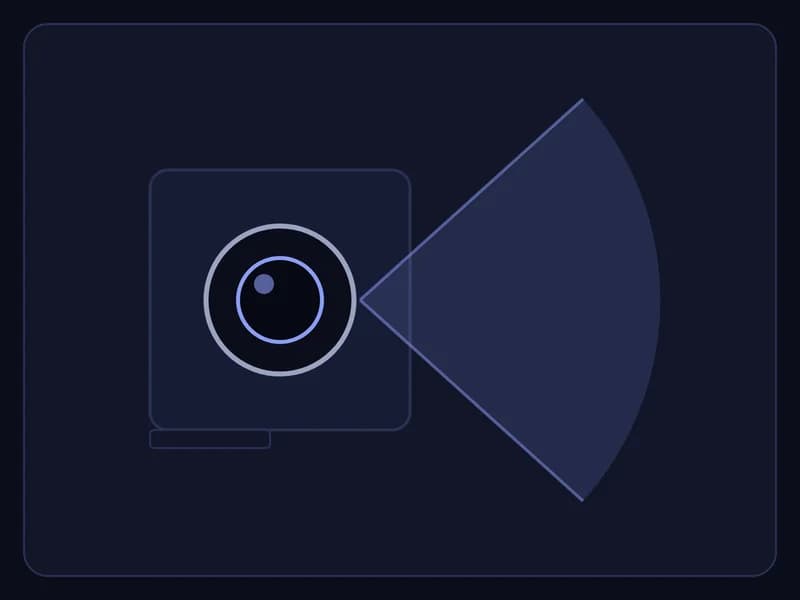
Raspberry Pi camera
Camera Module 3 Wide
Roadmap, on the roadmap
Run at 1 to 2 MP and 30 to 60 fps. For obstacles, a wide fast camera beats 8 megapixels; full resolution stills are only for reading text.
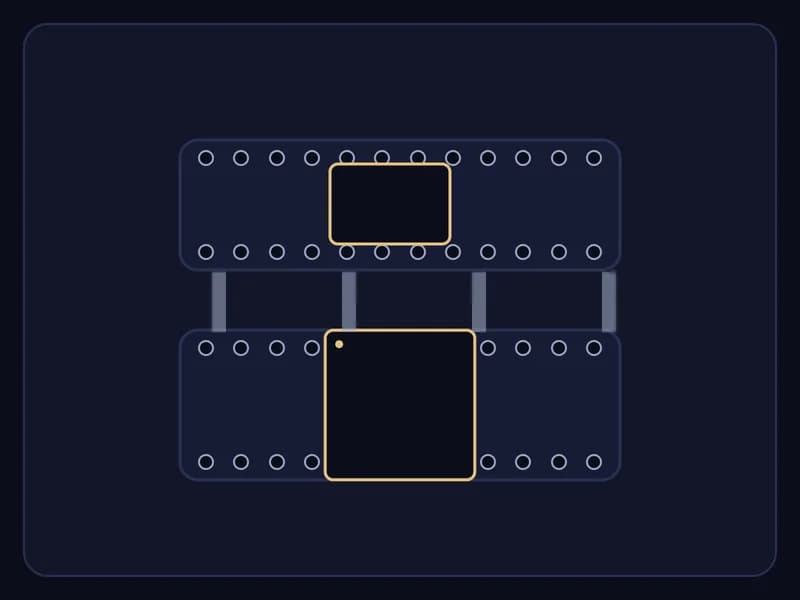
Raspberry Pi pouch compute
Pi 5 + AI HAT+
Roadmap, on the roadmap
The waist pouch option when a wearer's phone cannot be assumed, sized to run the scene model locally.
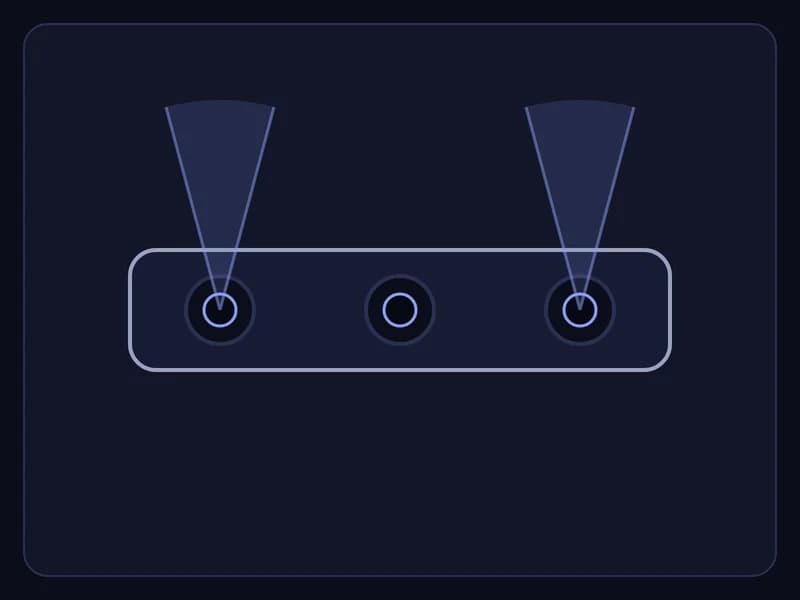
Luxonis depth camera
OAK-D Lite
Option
Optional depth. Stereo plus on device inference for research rigs that want a second opinion on distance.
Modules
Power
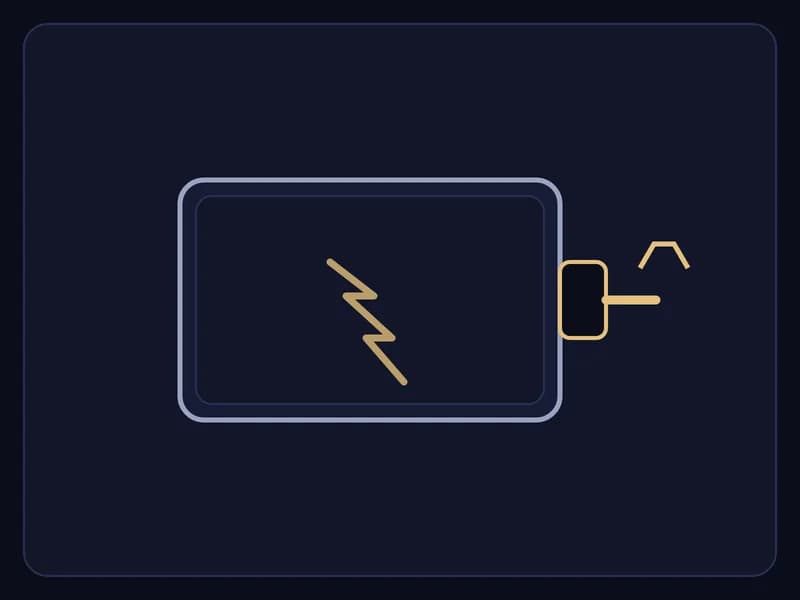
Central battery pack
3.7 V LiPo, 3000 to 5000 mAh, protected
One protected pack center back on the belt, with an inline fuse and a keyed connector, so its mass sits over the spine and polarity cannot be reversed.
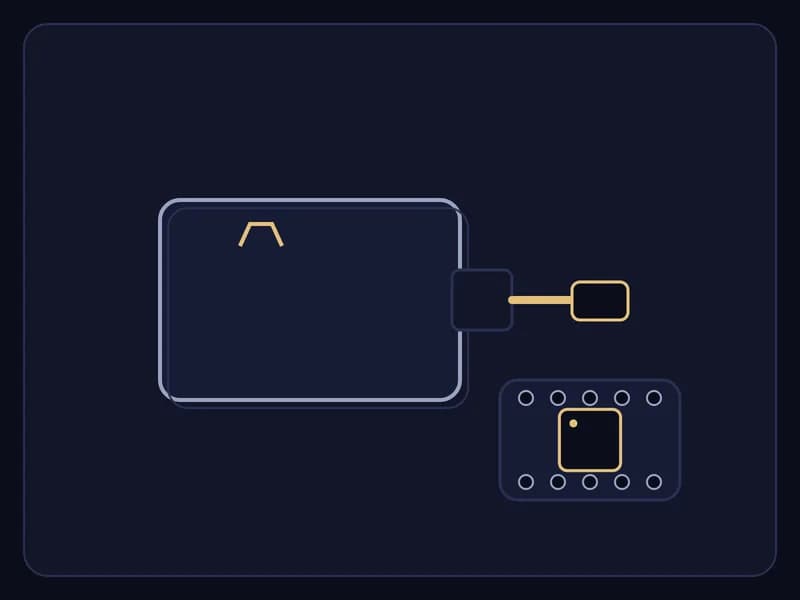
Adafruit protected LiPo, 500 mAh
Adafruit 1578 + MCP73831
Demo builds
Powers the phase 1 demo or a wireless station. Charge current kept low, protection on the cell, and never charged while worn.
Modules
Skin-safe materials
Smooth-On silicone
Dragon Skin, Ecoflex
Skin safe silicone for overmolded motor leads and compliant pod faces that sit against the body all day.
Formlabs resin
BioMed
Printed housings that touch skin, in a resin rated for prolonged skin contact.
3M medical silicone tape
2477P
Optional pads where a pod meets sensitive skin, gentle to remove and rated for medical use.
Schematics and wiring
The notes a builder trips on first.
The belt hub schematic lives in the record; these are the five facts that save a first build.
- The DRV2605L address is fixed, so a TCA9548A multiplexer is required to run identical drivers on one bus.
- The VL53L8CX grids want RAM: both grids' buffers plus the radar tracks fit in the RP2350's 520 kB SRAM, and its hardware float runs the fusion.
- The RD-03D radar is UART at 256000 baud and runs on 5 V.
- The JSN-SR04T echo line is divided down to 3.3 V logic before it reaches the controller; the belt hub schematic carries the dividers.
- The LRA leads are silicone overmolded at the pod wall and strain relieved with a service loop, so flexing does not pull on the joint.
The camera reasoning
Wide and fast beats sharp and slow.
For obstacles, a wide 1 to 2 megapixel camera at 30 to 60 frames per second beats 8 megapixels: motion, field, and latency matter more than pixels. Full-resolution stills are taken only for reading text, on request.